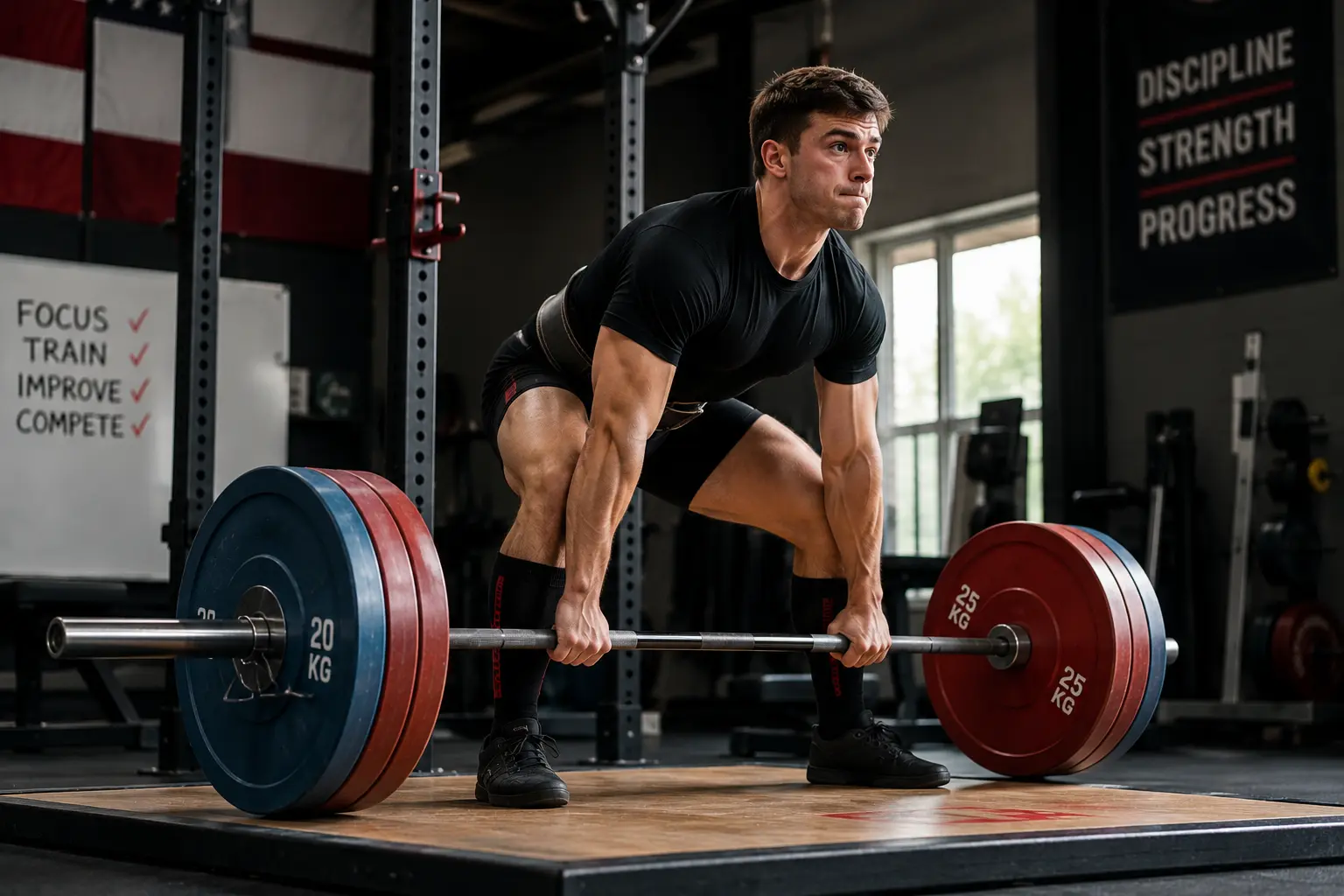
Starting powerlifting means learning three lifts, squat, bench press, and deadlift, and training them with a structured plan a few days a week until your numbers go up and your technique holds under load. That’s it. There’s no secret entry requirement, no minimum strength level, no age cutoff. You need a barbell, a rack, a bench, and a reason to keep showing up.
Most people overcomplicate the first few months. They read ten different programs, buy gear they don’t need yet, and spend more time worrying about which federation they’ll compete in someday than actually learning to squat below parallel. This guide skips that noise and lays out what actually matters when you’re new: what the sport is, what your training week should look like, what gear to buy (and what to skip), and how to know when you’re ready to test yourself against other lifters.
We’ll cover specific squat, bench, and deadlift technique in their own dedicated guides, so if you’re looking for step-by-step form breakdowns, those are coming separately. Here, the focus is the bigger picture: how to actually start.
What Powerlifting Actually Is (And What It Isn’t)
Powerlifting gets confused with bodybuilding and Olympic weightlifting a lot, and the differences matter more than people think.
Bodybuilding is judged on how a physique looks on stage. Olympic weightlifting is built around two explosive lifts, the snatch and the clean and jerk, that require speed and technical precision most beginners spend years refining. Powerlifting is neither of those things. It’s a strength sport built around three lifts, tested for maximum weight lifted one time, under a strict set of rules about depth, lockout, and control.
A powerlifting competition adds up your best squat, bench, and deadlift into a total. That total, not your physique and not how fast you moved the bar, is the score.
There’s also a distinction worth knowing early on between raw and equipped lifting. Raw lifting means minimal supportive gear, maybe a belt, sleeves, or wrist wraps. Equipped lifting uses supportive suits and shirts that can add significant weight to a lift through material tension. Nearly every beginner starts raw, and most commercial gym lifters stay raw for their entire lifting career. Unless you’re specifically chasing an equipped federation, don’t worry about this distinction beyond knowing it exists.
The Three Lifts, at a Glance
Squat
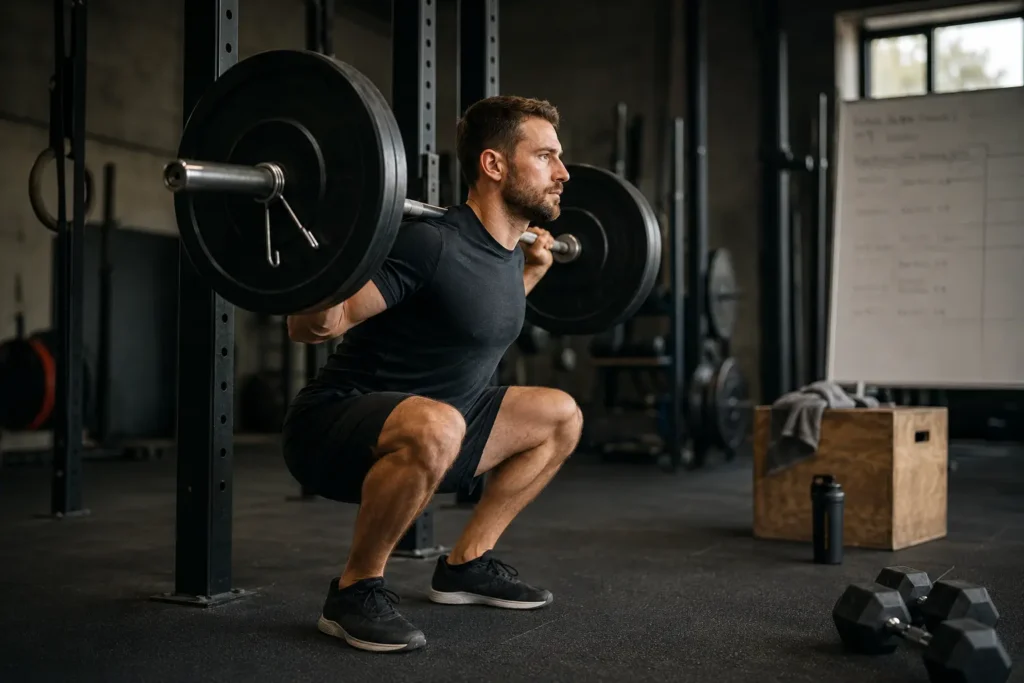
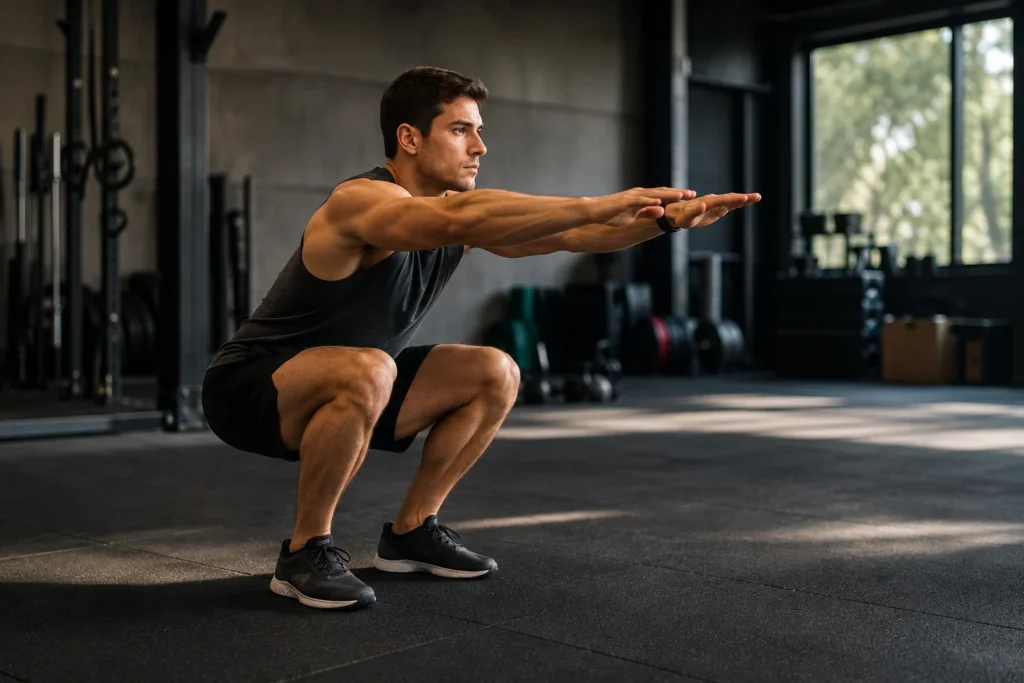
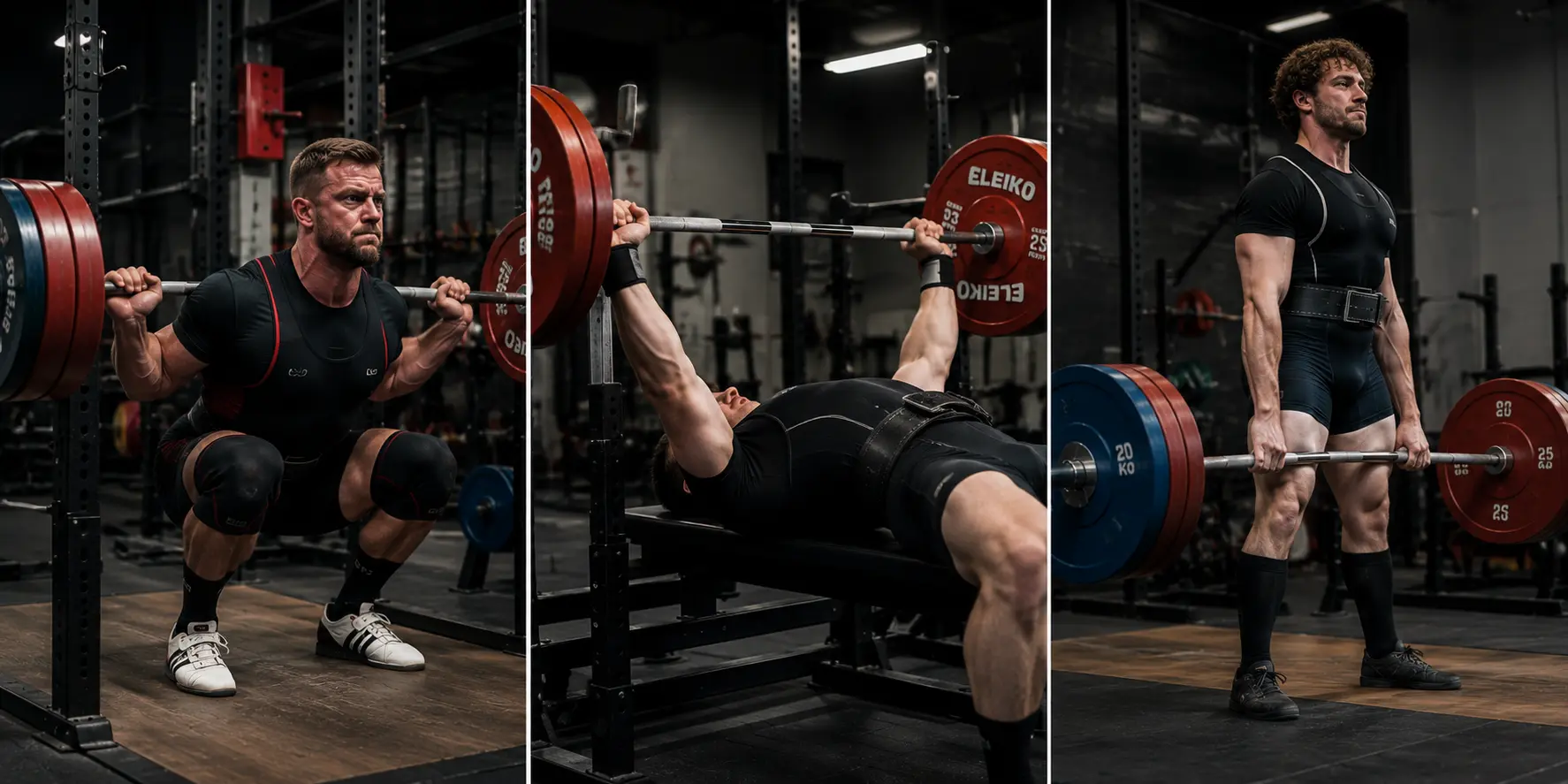
The squat tests full-body strength and mobility more than either of the other two lifts. In competition, a valid squat requires the hip crease to drop below the top of the knee, followed by a full, controlled stand back up. It’s usually the first lift in a meet and often the one that separates lifters with real technical consistency from lifters who just have strong legs. If you want to see exactly what counts as a valid depth, our squat standards page lays out the criteria judges use.
Bench Press
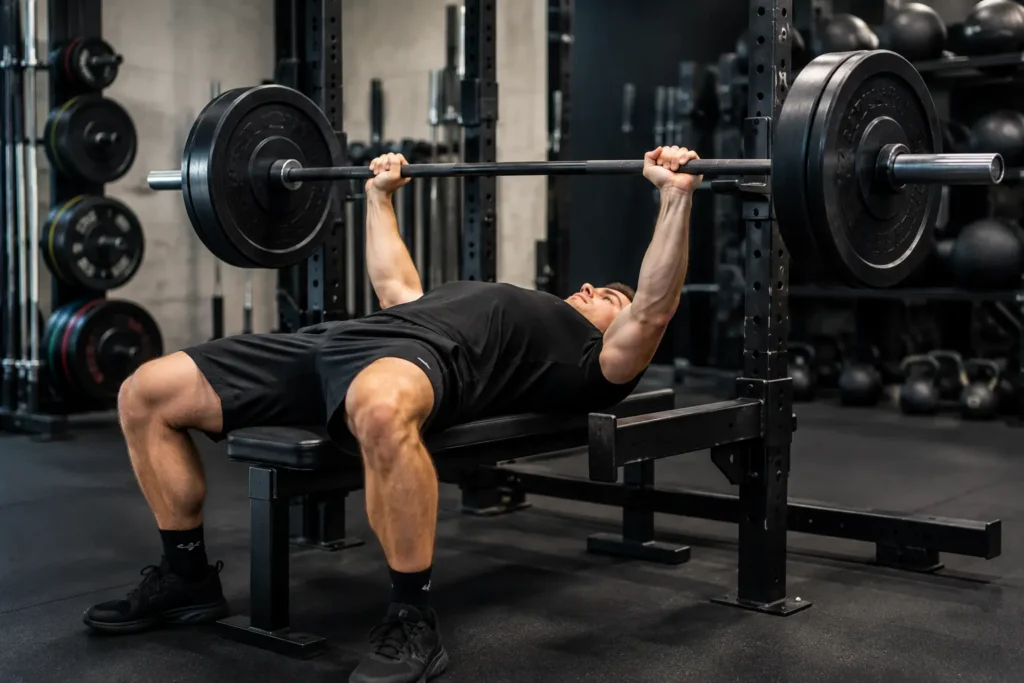
The bench press is the only lift performed lying down, and it’s deceptively technical. A valid bench requires your shoulders and hips to stay on the bench, the bar to touch your chest, and a full lockout at the top with elbows straight. A lot of beginners assume the bench is simple because it’s familiar from years of gym training, then get surprised at how strict the pause and lockout requirements are in competition. Our bench press standards page covers exactly what judges check for on each rep.
Deadlift
The deadlift is the last lift in a meet and, for a lot of lifters, the one where the whole meet gets decided. The bar starts on the floor, and a valid lift means locking out the hips and knees fully, standing tall with shoulders back. It’s often called the most honest lift in the sport because there’s no way to fake a full lockout. It’s also the lift where poor form causes the most injuries, so getting the hip hinge pattern right early matters more here than in either of the other two lifts. Our deadlift standards page breaks down exactly what a full lockout needs to look like.
If you want to see how these three lifts fit together as a complete sport rather than three separate exercises, our guide to mastering the big three walks through how squat, bench, and deadlift combine into your total.
What You Need Before Your First Session
You don’t need much to start, and that’s genuinely one of the better things about this sport. Here’s the real list:
- A gym with a squat rack, a flat bench, and open floor space. Most commercial gyms already have this.
- Flat-soled shoes or dedicated lifting shoes. Running shoes with cushioned soles make squats and deadlifts less stable.
- Chalk, if your gym allows it, for grip on deadlifts especially.
- A way to track your lifts. A notebook works fine. So does a phone app. The method matters less than the consistency.
- Patience with lighter weight. Start with the empty bar or light plates until your form is consistent, even if it feels too easy at first.
Notice what’s missing from that list: a belt, knee sleeves, wrist wraps, specialty bars. All of that comes later, once you have a baseline of strength and a reason to need the support. We’ve got a separate post that covers exactly when and how belts fit into powerlifting if you’re curious about the rules around that gear specifically. For now, don’t spend money on supportive equipment you don’t need yet.
The bigger mistake beginners make in month one isn’t under-buying gear. It’s under-investing in feedback. Filming your own lifts from the side and comparing them to good technique references, or training with someone more experienced for even a few sessions, will save you more time than any piece of equipment will.
How a Beginner’s Training Week Is Structured
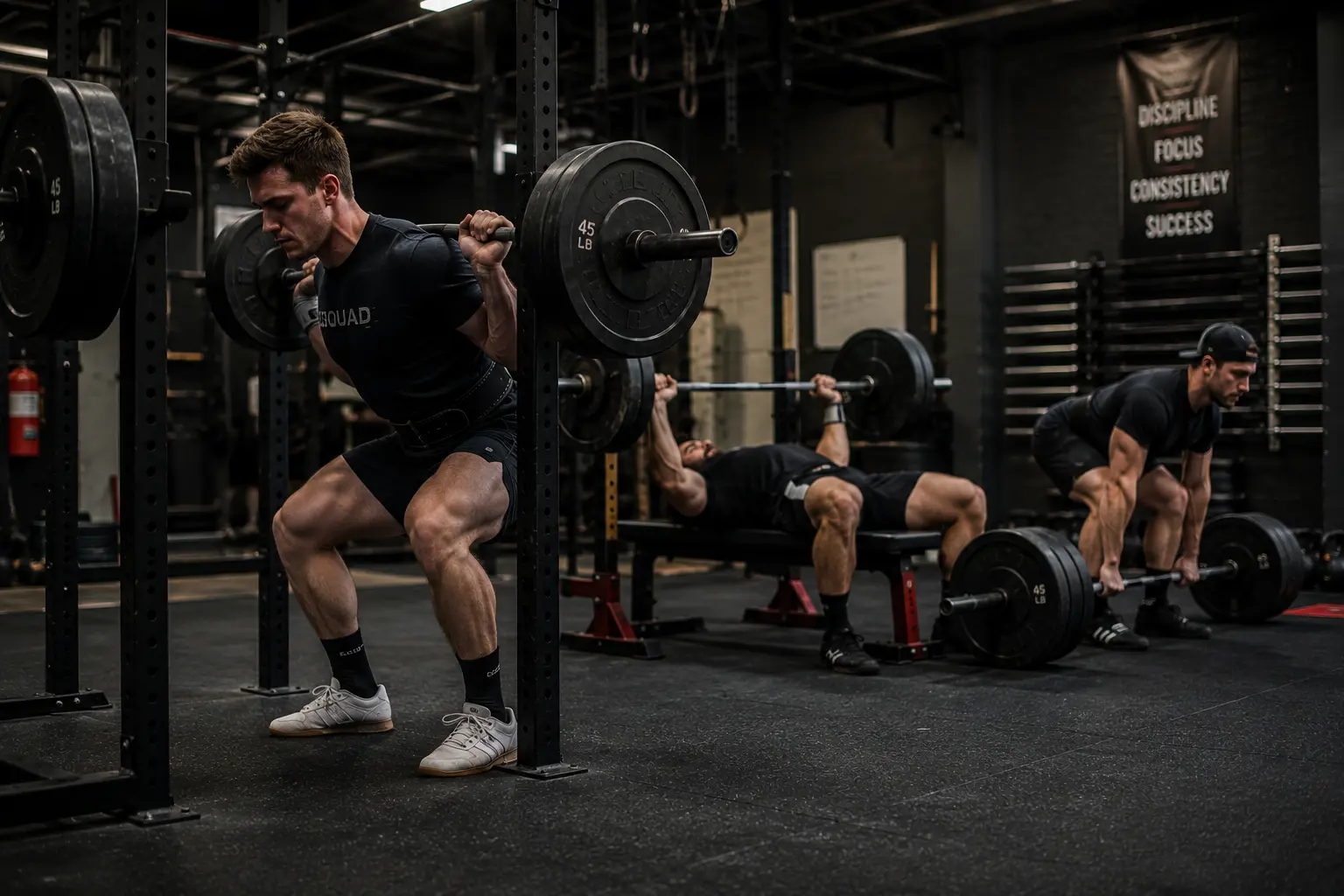
Most beginner powerlifting programs follow a version of the same idea: linear progression. You add a small amount of weight to the bar nearly every session, because a beginner’s body adapts to new strength stimulus faster than an experienced lifter’s does. This window doesn’t last forever, but while it’s open, it’s the most efficient way to build a foundation.
A typical beginner week looks something like three training days, with each session touching some combination of squat, bench, and deadlift. Some programs have you squat every session and rotate bench and deadlift. Others spread the three lifts more evenly across the week. The exact split matters less than sticking to it long enough to see whether it’s working.
We’ll cover specific rep and set numbers, including how many squats you should actually be doing per session, in a dedicated programming post. The concept to understand here is simpler: beginners can typically add weight almost every workout for the first several weeks, sometimes months, before progress naturally slows and requires more planning, like deload weeks or varied rep ranges, to keep moving forward.
If you’re adding five pounds to your squat every single session for three months and it’s still going up, keep doing that. Don’t fix something that isn’t broken yet.
Recovery and Nutrition Basics
New lifters tend to either ignore this section entirely or overthink it into a full diet plan they abandon within two weeks. Neither extreme helps.
The short version: eat enough. Most beginners aren’t in a position where cutting calories makes sense, because building strength requires some surplus of energy and protein to support the adaptation your training is asking for. Protein intake for strength athletes is generally recommended in a range that’s higher than what a sedentary person needs, and the specifics are worth researching from a sports nutrition source rather than guessing.
Sleep matters more than most new lifters expect. It’s the recovery tool that gets ignored the most and affects performance the most directly. If your squat feels heavier than it did last week and nothing about the program changed, check your sleep before you check your program.
Soreness is normal, especially early on. Sharp pain, joint pain, or pain that changes how you move is not normal, and it’s worth backing off and reassessing rather than pushing through it. Powerlifting is a long-term sport. There’s no version of this where working through pain in week three pays off in year three.
Common Mistakes New Powerlifters Make
Some patterns show up constantly with new lifters, and most of them are avoidable if you know to watch for them.
- Adding weight before form is consistent. Chasing numbers before the pattern is locked in is the single most common mistake, and it’s the one that leads to the most stalled progress and injuries down the line.
- Skipping warm-up sets. Jumping straight to working weight without a few lighter ramp-up sets is a habit that catches up with people eventually.
- Ignoring accessory work. Upper back strength, core stability, and hamstring work all support the three main lifts, even though they’re not tested in competition.
- Comparing yourself to advanced lifters online. Someone’s five-year progress photo isn’t a fair benchmark for your first month.
- Training through pain instead of adjusting. Covered above, worth repeating because it’s that common.
- Never testing where you actually stand. A lot of lifters train for months without ever finding out their real numbers, which makes progress feel invisible even when it’s happening.
Understanding Standards and Judging
Once you start training seriously, it helps to understand what a judge is actually looking for, even if you’re not planning to compete right away.
Three things come up across all three lifts: depth or range of motion, full lockout, and control throughout the movement. A squat that doesn’t hit depth doesn’t count, no matter how much weight is on the bar. A bench without a full lockout doesn’t count. A deadlift where the lifter doesn’t stand all the way up doesn’t count. These aren’t arbitrary rules. They exist to make sure a lift represents genuine strength through a full range of motion, not a partial rep dressed up as a max.
This is also why filming your lifts early on is worth the habit, even outside of competition. It builds the same discipline that judges are trained to look for, and it gives you an honest record of whether your form is actually holding up as the weight increases. Our official rulebook lays out the exact standards used for judging each lift if you want the full breakdown.
When and How to Enter Your First Meet
You don’t need to be advanced to compete. You need consistent form at a weight that’s meaningfully challenging, comfort attempting all three lifts, and a few months of steady training behind you.
A typical meet day involves a weigh-in, then three attempts at each lift, with lifters organized into flights based on their opening numbers. It’s more structured than it sounds, and most first-time competitors say the nerves fade once the first lift is out of the way.
Local and commercial gym meets are usually the easiest entry point, lower pressure, smaller crowds, and often more beginner-friendly judging support. Federation-sanctioned meets come later, once you’ve got a competition or two under your belt and want to chase official rankings.
If an in-person meet feels like too big a jump right now, verified video-submission platforms are a solid middle step. You film a lift, submit it for review against the same standards a judge would use, and get ranked without needing to travel or compete live. It’s a lower-pressure way to find out where you actually stand. You can read more about how this verification process works and why it exists.
Setting Realistic Goals and Tracking Progress
Comparing your total to an elite lifter’s total in your first year is a fast way to get discouraged over nothing meaningful. Better early benchmarks are relative to your own bodyweight: working toward a bodyweight squat, a bodyweight bench, and somewhere around one and a half times bodyweight on the deadlift are reasonable early markers for a lot of lifters, though individual variation is normal and expected.
Track your training log consistently, not just your personal records. A log that shows steady, gradual progress over months tells you more about whether your program is working than any single big lift day does.
Community accountability helps more than people expect going in. Training partners, a consistent gym crew, or a ranking system that shows where you stand against other lifters at a similar stage all give you a reason to show up on the days motivation alone wouldn’t be enough.
Building Consistency for the Long Term
Powerlifting rewards patience more than it rewards intensity. The lifters who end up with the biggest totals years down the line are rarely the ones who had the best first six months. They’re the ones who kept training through the plateaus, adjusted their programs when progress slowed, and treated setbacks as normal instead of as reasons to quit.
If you’re just getting started, the goal for month one isn’t a personal record. It’s showing up consistently enough that month six looks noticeably different from month one.
If you’re ready to find out where your lifts actually stand, GymLeague lets you submit a video of your squat, bench, or deadlift for verification against official standards and see how you rank. It’s a straightforward way to turn training progress into something measurable, whether or not you’re ready for a live meet yet.
FAQs
Most beginners are ready for their first meet after three to six months of consistent training. The exact timeline depends on your technique, confidence with the competition lifts, and overall strength.
Yes. Many people begin powerlifting on their own using a structured training program. However, working with an experienced coach can help you improve technique faster and avoid common mistakes.
Most federations require a lifting singlet, long socks for deadlifts, and approved footwear. Some also allow equipment such as lifting belts, wrist wraps, and knee sleeves, depending on the competition rules.
Judges evaluate each lift based on the competition rules. They look for proper squat depth, a controlled bench press with a pause and full lockout, and a complete deadlift lockout before awarding a successful lift.
Powerlifting training focuses on improving the squat, bench press, and deadlift while preparing for competition standards. General strength training may include a wider variety of exercises without following powerlifting rules.
Most lifters test their one-rep max every 8 to 12 weeks or at the end of a training cycle. Testing too frequently can interfere with recovery and long-term progress.
Absolutely. Powerlifting includes Masters divisions for older athletes, making the sport accessible regardless of age. Many people begin competing later in life and continue for many years.
The most common mistake is adding weight too quickly before mastering proper technique. Building consistent movement patterns first leads to safer and more sustainable strength gains.
The best way is to record your lifts from the correct angle and compare them against official judging standards. Having your lifts reviewed by an experienced coach or a verified judging platform can also help identify technical issues.
Verifying your lifts ensures they meet official competition standards rather than gym standards. It provides an accurate record of your performance and allows you to compare your results fairly with other lifters. This aligns directly with GymLeague’s focus on verified lifts and transparent judging.
Ready to Put Your Strength to the Test?
Learning about powerlifting is only the first step. The real progress begins when you start tracking your lifts and measuring them against official standards.
With GymLeague, you can upload videos of your squat, bench press, and deadlift, have your lifts reviewed against competition standards, and see how you compare with lifters in your weight class. Whether you’re training for your first meet or simply want an accurate way to measure your progress, GymLeague gives you a platform to verify your performance and stay motivated.
Create your account today, upload your first lift, and see where you rank.