Squat

● EVERY LIFT VERIFIED

The GymLeague Squat Competition

Prove your squat under official competition standards. Hit depth, standit up, submit your video, and earn a verified place on the squatleaderboard — all from your own gym.

Low-bar or high-bar

Your choice of bar position

Any level

No minimum weight

Year-round

No meet day needed

Every squat reviewed

Depth judged on video

What Is the GymLeague Squat Competition?
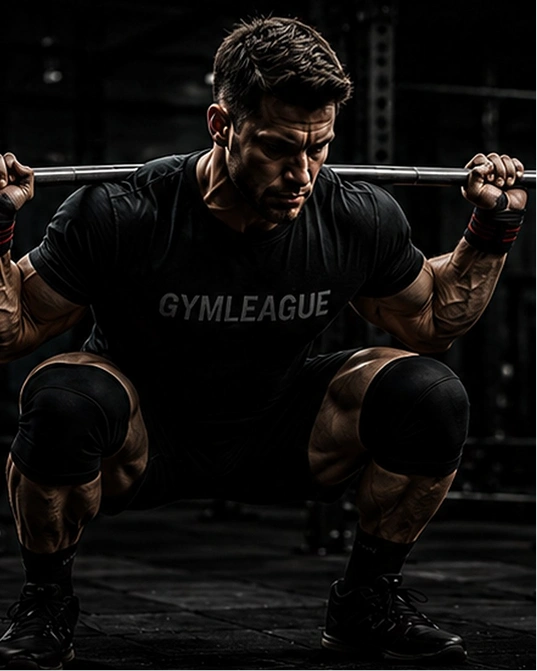
The GymLeague squat competition is an ongoing, online squat challenge where every attempt is judged against the same official standards. Instead of guessing whether a squat “counts,” you record your lift, submit the video, and let the review process decide — the same way it works for every other athlete on the platform.

Purpose of the competition. The squat leaderboard exists to answer one question honestly: who can squat the most, to legal depth, under control? Every ranked result has been reviewed, so a number on the board means the same thing for everyone.

Who can participate. Anyone. There are no qualifying totals and no experience requirements. If you can perform a barbell back squat that meets the standards in the rulebook, you can compete — whether it’s your first competition squat or a lifetime personal record.

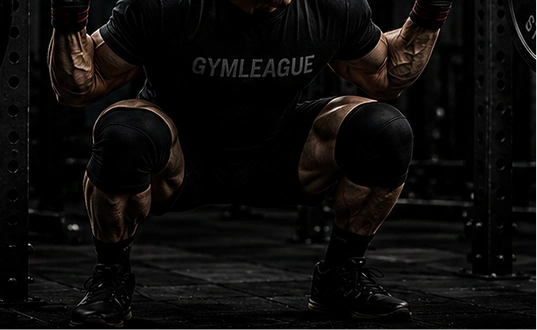
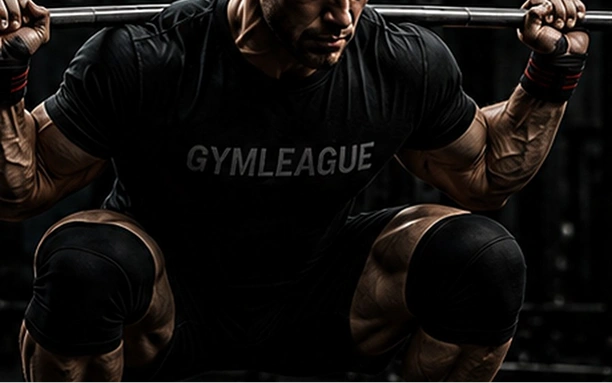
The bottom position is where a squat is won or lost: hips below the knee, chest up, bar under control.

Official Squat Competition Standards

The bar must start motionless on the floor with the plates clearly visible in frame.

Starting Position

The bar rests across the upper back, and the lift begins from a fully upright standing position with knees and hips extended. The lifter must be visibly set and in control before starting the descent.

Squat Depth Requirements

The lifter must descend until the crease of the hip drops below the top of the knee. Depth is the most common point of failure — when in doubt, sink deeper than you think you need.

Lockout Requirements

After reaching depth, the lifter must return to a fully upright position with knees and hips completely extended. The lift finishes standing, under control, with the bar still on the back.

One Continuous Movement

The squat must be one continuous attempt: no downward movement after the ascent begins, no dumping the bar, and no assistance from spotters during the rep itself.

VALID LIFT

INVALID LIFT

“A 200 kg squat to legal depth and a 200 kg half squat are two completely different lifts.”

WHY ONE DEPTH STANDARD EXISTS

Understanding Legal Squat Depth

Picture a straight line from the crease of your hip to the top of your knee. In a legal competition squat, the hip crease finishes below that line at the bottom of the descent.
“Parallel-ish” is not enough — the hip must clearly break the plane of the knee.

Depth matters because it’s the great equalizer. Enforcing one depth standard is what makes every number on the leaderboard comparable.

The bottom of a heavy squat. Whether it counts comes down to one thing: where the hip crease sits relative to the top of the knee.

Common Reasons a Squat Is Rejected

Almost every rejection comes down to one of these five. Check your own video against them before you submit.

1

High Squat

The most common rejection by far. The hip crease never drops below the top of the knee. Film a few practice sets and check your own depth before submitting.

2

Incomplete Lockout

The lifter stands up but never fully extends the knees and hips, or racks the bar while still leaning forward.

3

Loss of Control

Stumbling, collapsing at the bottom, spotter touches, or dumping the bar all invalidate the attempt — even if depth was reached.

4

Incorrect Bar Position

The bar must sit across the upper back. Front squats, safety-bar squats, and machine variations don't qualify for the barbell back squat leaderboard.

5

Poor Video Angle

If the judges can't clearly see the hip and knee, they can't pass the lift. A slightly front-side angle at hip height is ideal — never directly from the front.

How to Join the Squat Challenge

Four steps from your last working set to a ranked, verified squat.

STEP 01

Record Your Lift

Film your squat in one continuous,unedited video. Full body visible, platesvisible, hip and knee clearly in frame.

STEP 02

Upload Your Video

Submit your attempt through GymLeaguewith the weight lifted and the requiredcompetition details.

STEP 03

Verification Process

Your squat is reviewed against the officialrulebook — depth, lockout, control, andvideo quality.

STEP 04

Earn Your Ranking

Approved squats appear on the
leaderboard and count toward your
competition total.

Tips for a Successful Competition Squat

Technique Tips

Video Recording Tips

Competition Preparation

Why Compete in the GymLeague Squat Challenge?

Fair Judging

Every squat is judged against the same written standard. No favorites, no exceptions.

Verified Results

A ranked squat is a reviewed squat. Your number means something because it was checked.

Public Leaderboards

See exactly where your squat stands against lifters from other gyms and countries.

Year-Round Competition

No waiting for meet day. Submit a new squat whenever you're ready to beat your verified best.

Complete the Big Three

Your squat is one third of your total. Learn the standards for the other two competition lifts.

Bench Press Competition

Controlled press from chest to full lockout. See the official bench pressstandards.
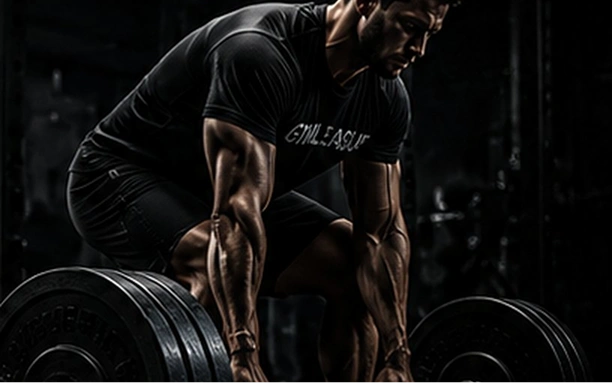
Deadlift Competition

Floor to full lockout in one continuous pull. See the official deadlift standards.

Bench Press Competition FAQs

How deep do I need to squat for it to count?

The crease of your hip must drop below the top of your knee at the bottom of the squat. This is the same depth standard used in official powerlifting competition. If depth is borderline on video, the lift is at risk of being rejected — aim to be clearly below.

Both are allowed. As long as the barbell rests across the upper back and the lift meets the depth and lockout standards, bar position is your choice. Front squats and specialty-bar squats do not qualify.

Yes. Lifting belts, wrist wraps, and knee sleeves are allowed. Supportive squat suits and other equipped gear are not — GymLeague is a raw competition platform.

Place the camera at roughly hip height, at a front-side angle where both the hip crease and the top of the knee are clearly visible. Straight-on front angles hide depth and are a common reason submissions can’t be approved.

Yes, and for heavy attempts you should. Spotters may stand by for safety, but they cannot touch the bar or assist you during the rep. Any contact during the lift invalidates the attempt.

You’ll see the reason for the decision — for example, insufficient depth or an unclear camera angle. Fix the issue and submit a new attempt. Rejections don’t penalize you; only approved lifts count.

As many as you like throughout the competition period. Each submission is reviewed separately, and a new approved squat replaces your previous best if it’s heavier.

No. There is no minimum. The leaderboard ranks whatever you can lift to standard, and beginners compete under exactly the same rules as advanced athletes.

Your Squat, Verified

You’ve done the training. Now put a number on the board that nobody can
question. Record your best squat, submit it for review, and take your place in the
rankings.

Scroll to Top