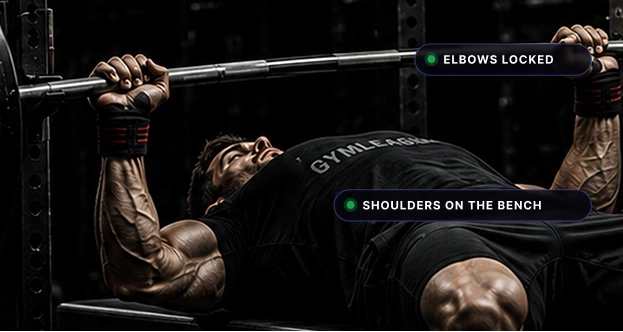
Bench Press

● EVERY LIFT VERIFIED

The GymLeague Bench Press Competition

The definitive test of pressing strength — bar to chest, press to full lockout, judged under one standard. Submit your bench press video and earn a verified place on the leaderboard.

Any grip width

Close, regular or wide

Arch allowed

Glutes stay on the bench

Year-round

No meet day needed

Every press reviewed

Touch and lockout judged

What Is the GymLeagueBench Press Competition?
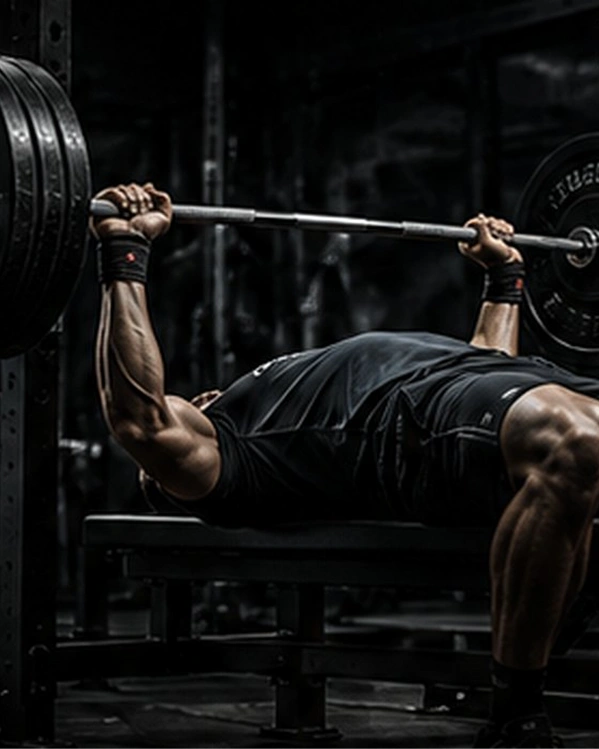
The GymLeague bench press competition is an ongoing online challenge where every press is judged against the same official standards before it counts. Gym PRs are easy to claim and hard to prove — here, a bench press only reaches the leaderboard after
review.

Who can participate. Everyone. There are no entry requirements and no qualifying numbers. If your press meets the standards in the rulebook, it competes — regardless of your experience level.

How the competition works. Record your heaviest clean single in one continuous video, upload it with your competition details, and the GymLeague team reviews it against the rulebook. Approved lifts are ranked; rejected lifts come back with a reason so you can fix it and resubmit.

Why every lift is verified. The bench press is the most disputed lift on the internet — bounced reps, half lockouts, and hips off the bench everywhere. Verification is what separates a competition bench from a gym-video bench.

The setup decides the pull: bar over mid-foot, slack taken out, brace set before the plates leave the floor.

Official Deadlift Competition Standards
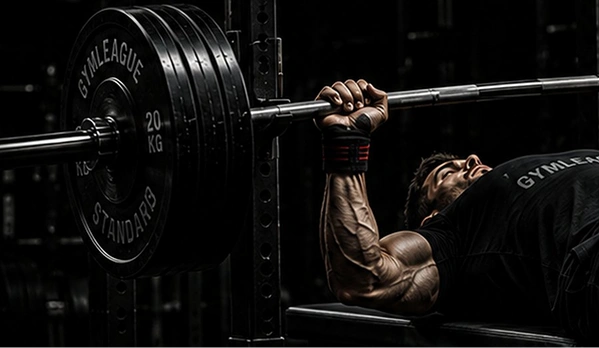
JUDGING STANDARDS

The bar must start motionless on the floor with the plates clearly visible in frame.

Starting Position

The lifter lies on the bench with head, shoulders, and glutes in contact with the bench surface and feet flat on the floor. The lift begins with the arms at full extension, bar under control.

Grip & Body Position

Both hands grip the bar with a full grip. Head, shoulders, and glutes stay on the bench and feet stay on the floor for the entire lift. An arch is allowed as long as the glutes never leave the bench.

Bar to Chest Requirement

The bar must be lowered under control until it clearly touches the chest or torso. Reps that stop above the chest, or that bounce off it, do not count.

Press & Full Lockout

From the chest, the bar is pressed in one continuous motion until both arms reach full elbow extension. The press should finish with the bar controlled and even.

VALID LIFT

INVALID LIFT

“Bounced reps, half lockouts and hips off the bench: verification is what separates a competition bench from a gym-video bench.”

WHY EVERY PRESS IS REVIEWED

The finish: both elbows fully extended at the same time, bar controlled and even
over the shoulders.

Bench Press Technique Guide

A bigger bench starts with a better setup. These are the fundamentals judges see done well in every approved lift.

Proper Setup

Pull your shoulder blades together and down, set a stable arch, and grip the bar evenly. A tight setup keeps the bar path consistent and protects your shoulders.

Bar Path & Chest Contact

The bar travels slightly diagonally — touching lower on the chest and finishing over the shoulders. Lower under control to a clear, visible touch; a brief pause makes it obvious on video.

Lockout Position

Finish with both elbows fully extended at the same time. Grinding is fine; uneven or soft lockouts are the difference between an approved and rejected lift.

Foot Placement & Stability

Feet flat and planted, driving tension through the legs into your upper back. Leg drive is legal — moving your glutes off the bench is not.

Common Reasons a Bench Press Is Rejected

Almost every rejection comes down to one of these six. Check your own video against them
before you submit.

1

Bar Doesn't Touch the Chest

Reps that stop an inch above the chest can't be approved, no matter how heavy. The touch must be clearly visible on video.

2

Incomplete Lockout

One or both elbows never reach full extension. Lock it out completely and hold it for a beat before racking.

3

Hips Leave the Bench

Glutes lifting off the bench turns a bench press into a hip thrust. Keep contact through the entire rep.

4

Loss of Control

Bouncing the bar off the chest, the bar drifting backward mid-press, or a spotter touching the bar all invalidate the attempt.

5

Uneven Press

One side locking out well before the other, or the bar tilting noticeably, is grounds for rejection. Press evenly through both arms.

6

Poor Video Angle

Judges must see chest contact and both elbows. A side angle, slightly toward the head, with the full body in frame works best.

How to Join the Bench Press Challenge

Four steps from your last working set to a ranked, verified bench press.

STEP 01

Record Your Lift

Film your bench in one continuous,unedited video with chest contact,lockout, and the loaded bar clearly visible.

STEP 02

Upload Your Video

Submit your attempt through GymLeaguewith the weight lifted and the requiredcompetition details.

STEP 03

Lift Verification

Your press is reviewed against the officialru lebook — chest contact, lockout,stability, and video quality.

STEP 04

Earn Your Position

Approved bench presses appear on the leaderboard and count toward yourcompetition total.

Tips for a Successful Competition Bench Press

Setup Tips

Technique Tips

Recording Tips

Competition Preparation

Why Join the GymLeague Bench Press Competition?

One Standard Worldwide

Every ranked bench press has been reviewed. No bounced reps, no half lockouts, no arguments.

Consistent Judging Standards

One rulebook for every athlete. Your 100 kg is judged exactly like someone else's 200 kg.

Public Leaderboards

See where your press ranks against lifters from other gyms and countries.

Track Your Progress

Every approved lift builds a verified history of your strength over time.

Compete Year-Round

No meet calendar required. Submit a new bench whenever you're ready to beat your best.

One Standard Worldwide

The same rulebook applies in every gym and every country, so the board compares like with like.

Complete the Big Three

Your bench is one third of your total. Learn the standards for the other two competition lifts.

Squat Competition

Proper depth, full lockout, complete control. See the official squat standards.

Deadlift Competition

Floor to full lockout in one continuous pull. See the official deadlift standards.

Bench Press Competition FAQs

Does the bar have to pause on my chest?

The bar must touch your chest under control — a clearly visible touch. A brief pause makes the touch obvious on video and is strongly recommended, since bounced or ambiguous touches are a leading cause of rejection.

The bar must touch your chest under control — a clearly visible touch. A brief pause makes the touch obvious on video and is strongly recommended, since bounced or ambiguous touches are a leading cause of rejection.

Yes. Driving through your feet is part of a strong bench press. The line is your glutes: the moment they leave the bench, the lift is invalid.

Yes. A spotter may help you unrack the bar. Once the lift begins, however, nobody may touch the bar until the rep is complete and you’re racking it.

Close, regular, and wide grips are all allowed with a full grip on the bar. Choose the width you’ve trained with — just make sure both hands are placed evenly.

A side angle at roughly bench height, with your full body and the plates in frame. Judges need to clearly see the bar touch your chest and both elbows reach lockout.

A slow grind is a good lift as long as the bar keeps moving upward and finishes at full extension. What’s not allowed is downward movement during the press or an incomplete lockout.

As many as you like throughout the competition period. Each attempt is reviewed separately, and a heavier approved press replaces your previous best on the leaderboard.

Put Your Press on the Board

Anyone can claim a bench number. Verified athletes prove it. Record your best
press, submit it for review, and take your place in the rankings.

Scroll to Top